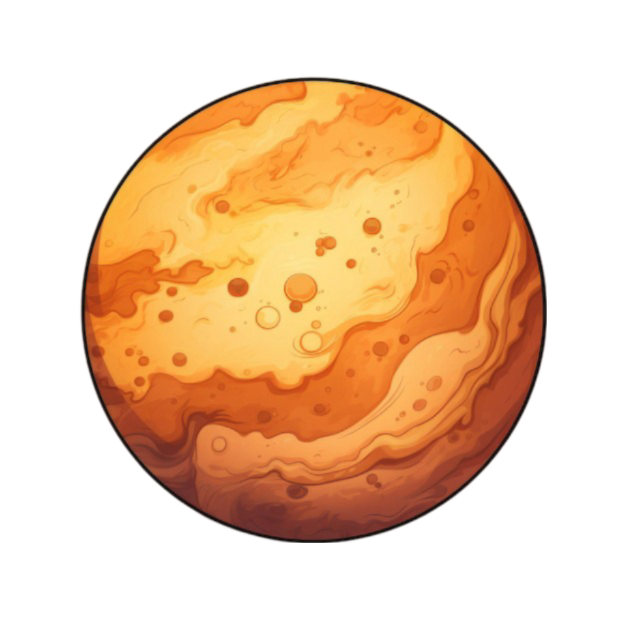
MERCURY • Closest to the Sun and smallest planet. •Extreme
temperatures: scorching hot during the day, freezing at night.
• A year on Mercury is just 88 Earth days!
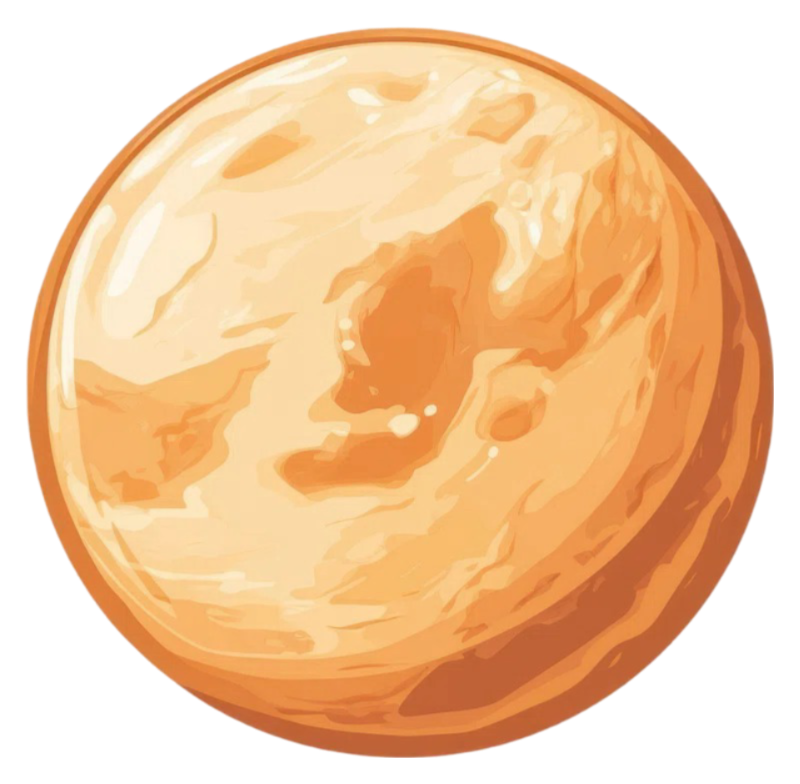
VENUS • Earth’s “sister planet” due to similar size. • Hottest
planet in the solar system, with temperatures reaching 475°C (900°F). •
Rotates backward (retrograde), and a day is longer than its year.
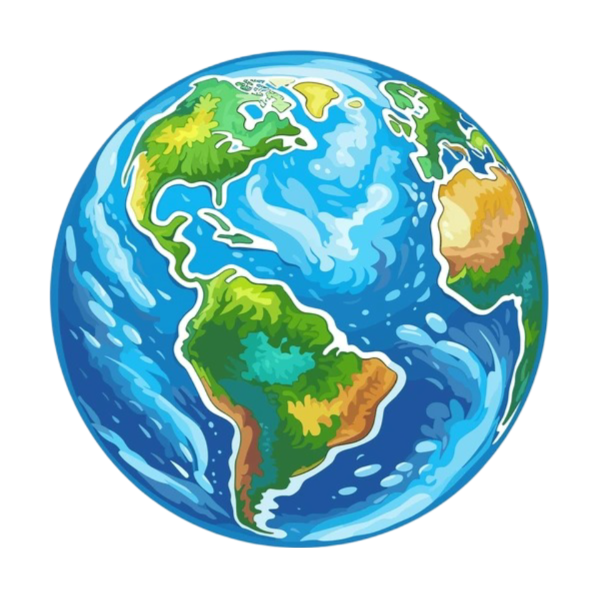
EARTH
• The only planet known to support life. • 70% of its surface is covered
by water. • Perfect distance from the Sun: the “Goldilocks Zone.”
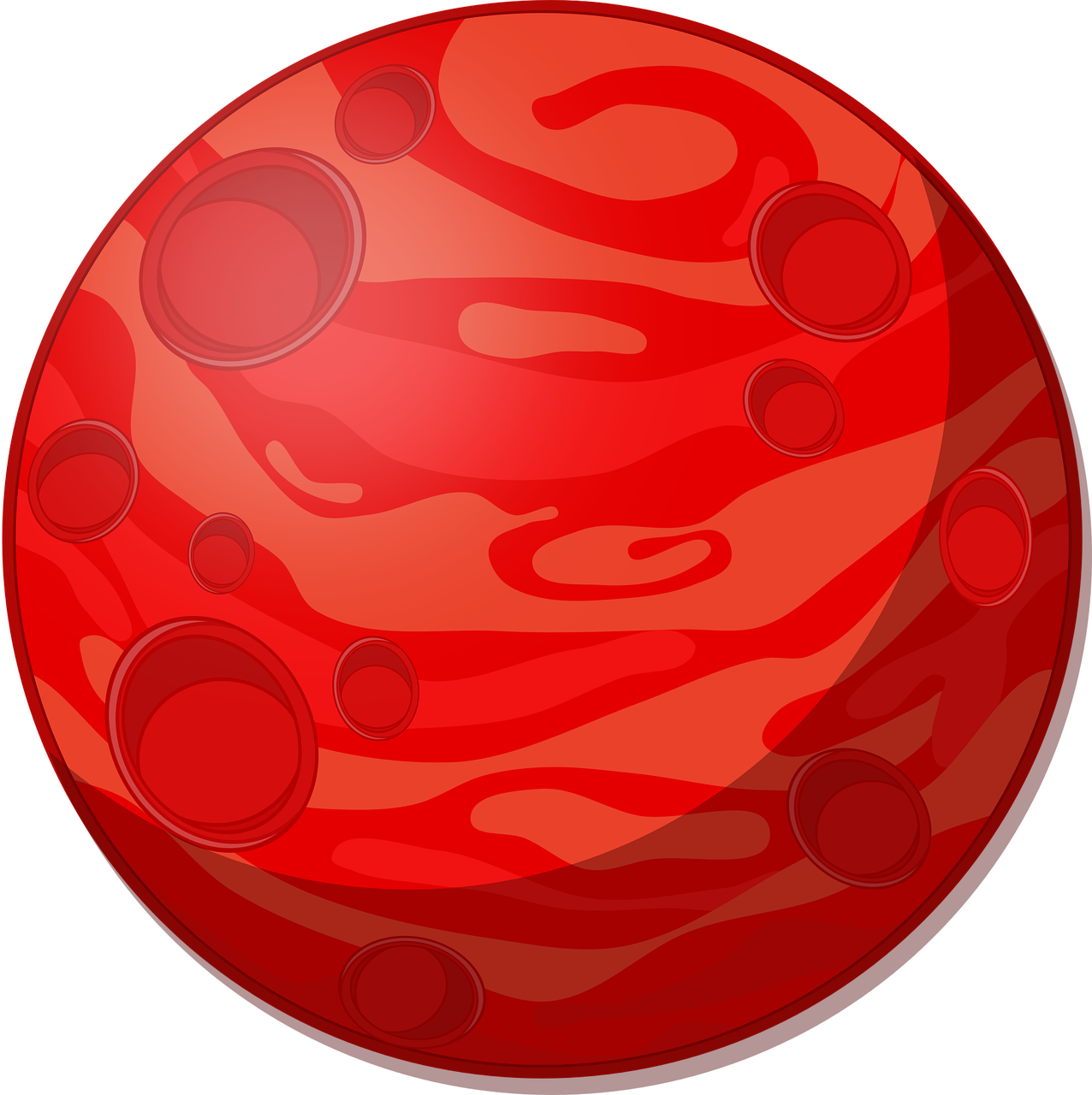
MARS
• Known as the Red Planet due to iron oxide (rust) on its surface. •
Features the tallest volcano in the solar system: Olympus Mons. • Could
have had liquid water billions of years ago.
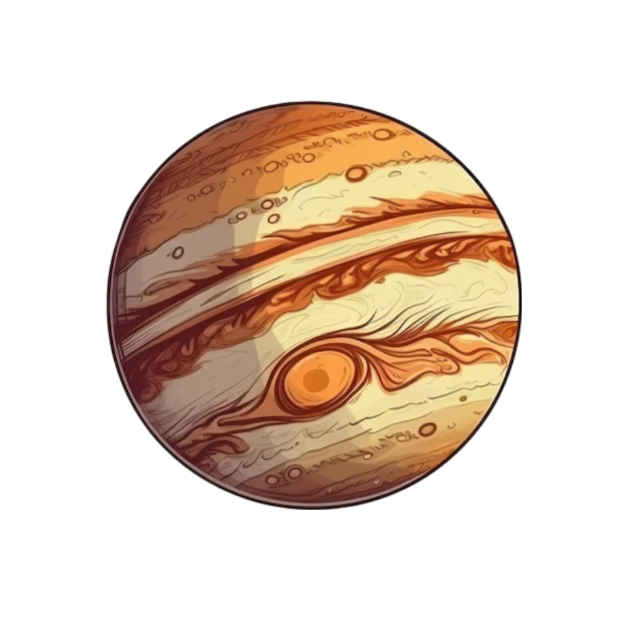
JUTITER
• Largest planet, so big it could fit 1,300 Earths inside. • Famous for
its Great Red Spot, a massive storm that’s been raging for centuries. •
Has at least 79 moons, including Ganymede, the largest in the solar
system.
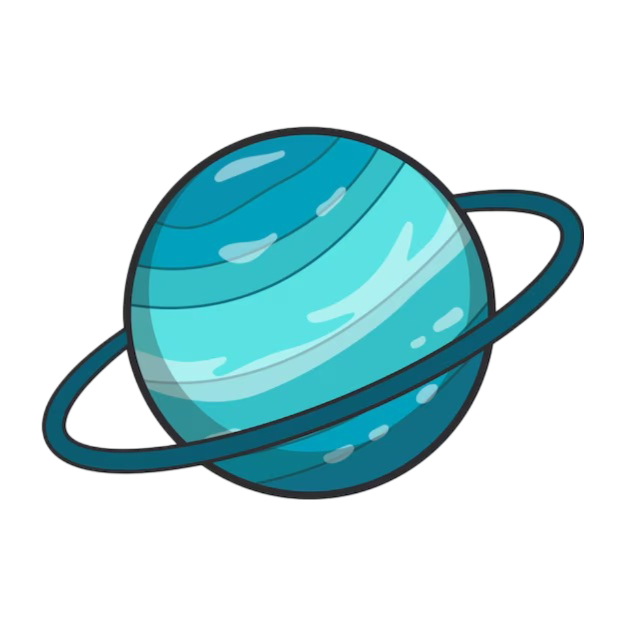
URANUS
• Spins on its side, unlike any other planet. • Pale blue color due to
methane gas in its atmosphere. • Known as the “ice giant” due to its
cold temperatures.
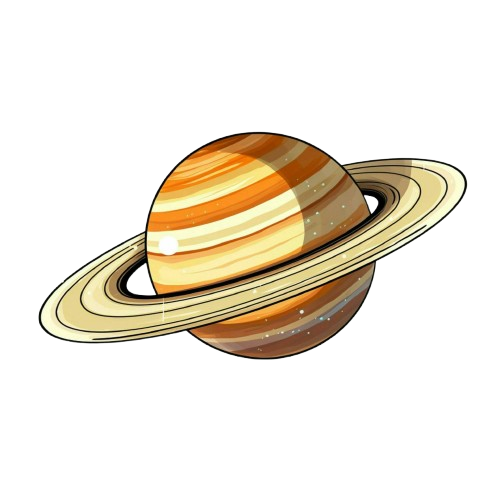
SATURN
• Iconic for its beautiful rings, made of ice and rock. • Second largest
planet. • Could float in water because it’s mostly made of gas.
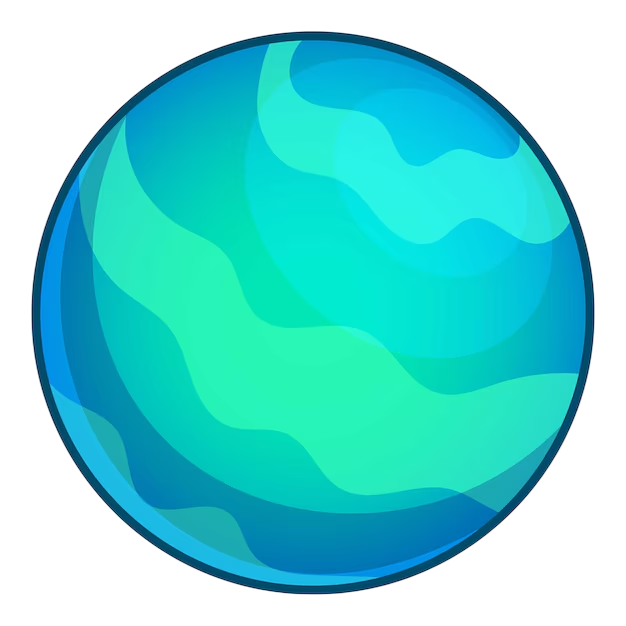
NEPTUNE
• Farthest from the Sun and the windiest planet, with storms up to 2,100
km/h (1,300 mph). • Deep blue color, also due to methane. • Takes 165
Earth years to orbit the Sun once.